

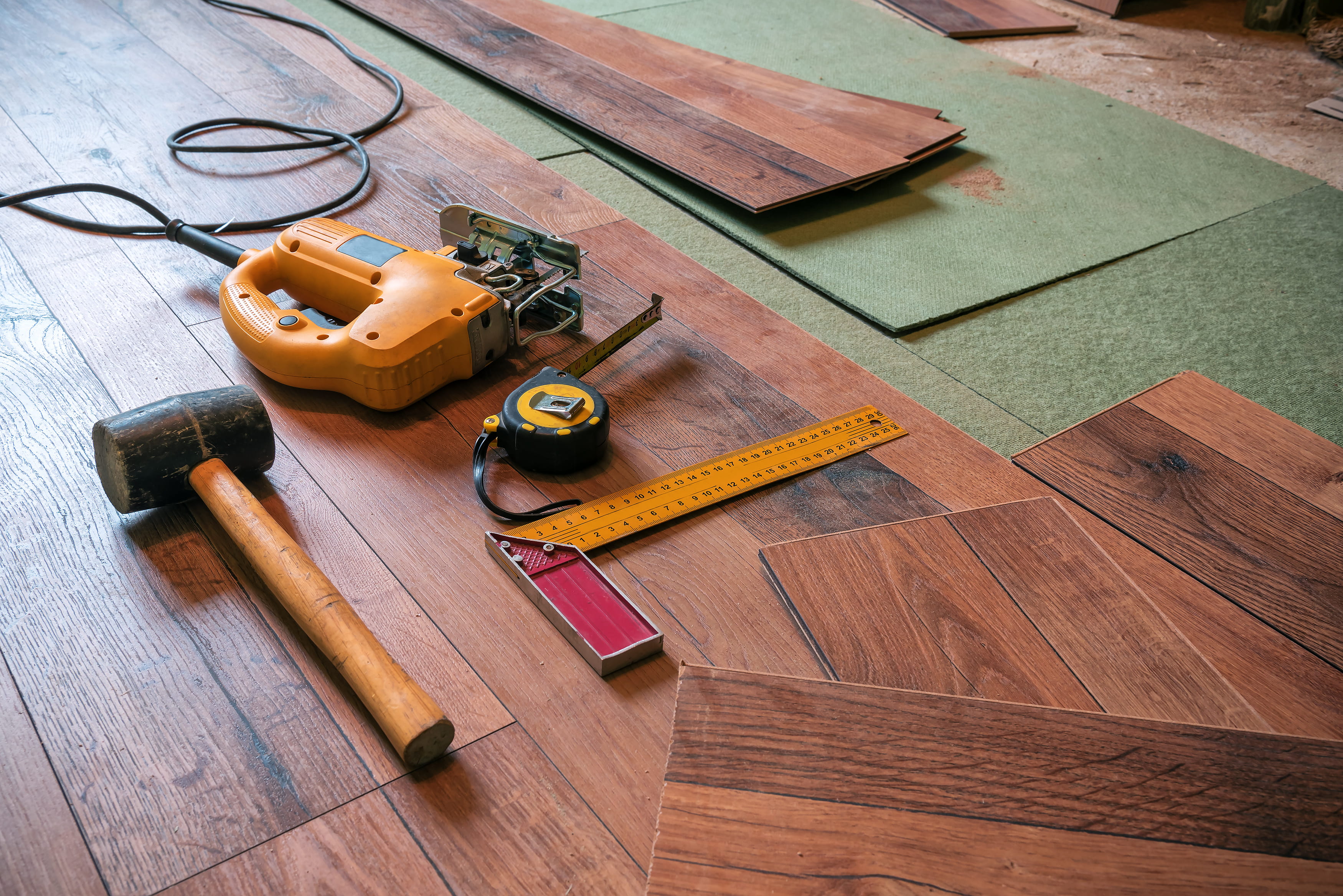
Homeowners who visit Island Floors & More often ask whether gaps, scratches, or worn spots in their hardwood floors can be fixed—or if replacement is the only option. In coastal communities like Murrells Inlet, SC and Litchfield, SC, hardwood flooring faces unique challenges due to humidity shifts, older home construction, and seasonal climate changes.
The good news is that many common hardwood issues can be repaired with the right approach. Below is a practical, homeowner-friendly guide to understanding what causes gaps and wear—and what can be done to restore your floors.
Why Hardwood Floors Develop Gaps in Coastal Homes
Hardwood is a natural material, and it expands and contracts with changes in moisture levels. In coastal South Carolina, humidity fluctuates throughout the year, especially between summer and winter.
Common causes of gaps include:
Seasonal humidity changes
Improper original installation
Aging subfloors
Crawl space moisture issues
Long-term HVAC inconsistencies
In older Murrells Inlet and Litchfield homes, gaps are often most noticeable during drier winter months.
Are Seasonal Gaps Normal?
Small, temporary gaps that close when humidity rises are typically normal. However, wide or persistent gaps may indicate:
Inadequate acclimation during installation
Structural movement
Subfloor problems
A professional evaluation can determine whether the issue is cosmetic or structural.
How to Fix Minor Hardwood Gaps
For small gaps that do not indicate structural issues, repair options may include:
1. Wood Filler for Small Gaps
Wood filler can be used when:
Gaps are narrow
Movement is minimal
The floor has already been finished
Color-matched filler blends into the existing wood surface. However, filler is best for stable floors rather than boards that expand and contract significantly.
2. Rope or Wood Strip Repairs for Larger Gaps
In some older homes, wider gaps may be repaired using:
Natural fiber rope (for rustic aesthetics)
Thin wood slivers glued into place
This method works well for homes with character-grade hardwood where maintaining charm is important.
3. Humidity Control Solutions
Sometimes the best “repair” is environmental control. Installing or adjusting:
Whole-home humidifiers
Crawl space vapor barriers
Dehumidifiers
can stabilize wood movement and prevent recurring gaps.
Fixing Surface Wear and Scratches
Coastal homes often experience increased wear due to:
Sand tracked indoors
Pets
Frequent visitors
Rental property turnover
Surface damage can range from light scratches to deeper gouges.
1. Buff and Recoat
If the finish is worn but the wood beneath is intact, a buff and recoat may be sufficient.
This process involves:
Lightly abrading the top finish layer
Applying a new protective coat
It restores sheen and extends the life of the floor without full sanding.
2. Spot Repairs for Isolated Damage
For localized damage, individual boards can sometimes be replaced without removing the entire floor. This is especially effective when:
Damage is limited to a small area
Matching wood species is available
The floor has not been heavily refinished multiple times
Professional repair ensures seamless blending with surrounding boards.
3. Full Sanding and Refinishing
When wear is widespread, sanding and refinishing may be the best long-term solution.
This process:
Removes the top layer of wood
Eliminates surface scratches
Allows for stain color updates
Applies a new protective finish
Solid hardwood floors can often be refinished multiple times over their lifespan, making them a valuable long-term investment.
Engineered hardwood may have refinishing limitations depending on the thickness of its wear layer.
Signs It May Be Time for Replacement Instead of Repair
While many issues can be repaired, replacement may be necessary if:
Boards are severely warped or cupped
Water damage has penetrated deeply
Structural subfloor issues are present
The floor has already been refinished multiple times
In these cases, upgrading to new hardwood or exploring alternative flooring options may provide better long-term performance.
Preventing Future Hardwood Problems
To minimize gaps and wear in Murrells Inlet and Litchfield homes:
Maintain consistent indoor humidity levels
Sweep regularly to remove sand
Use protective pads under furniture
Clean spills promptly
Schedule periodic professional maintenance
Coastal conditions require proactive care to keep hardwood looking its best.
The Value of Professional Evaluation
Hardwood floor repair in Murrells Inlet and Litchfield, SC requires an understanding of local climate conditions and home construction styles. What appears to be a simple cosmetic issue can sometimes signal deeper moisture concerns.
A professional assessment ensures:
Accurate diagnosis of the issue
Proper moisture testing
Matching repair materials
Long-term durability
If your hardwood floors are showing gaps, scratches, or wear, visit Island Floors & More at 131 Library Lane in Pawleys Island. Our team can evaluate your flooring, recommend repair or refinishing solutions, and help you determine the most cost-effective path forward.
With the right care and expert guidance, hardwood floors in coastal South Carolina homes can continue to add beauty, value, and character for decades.


