

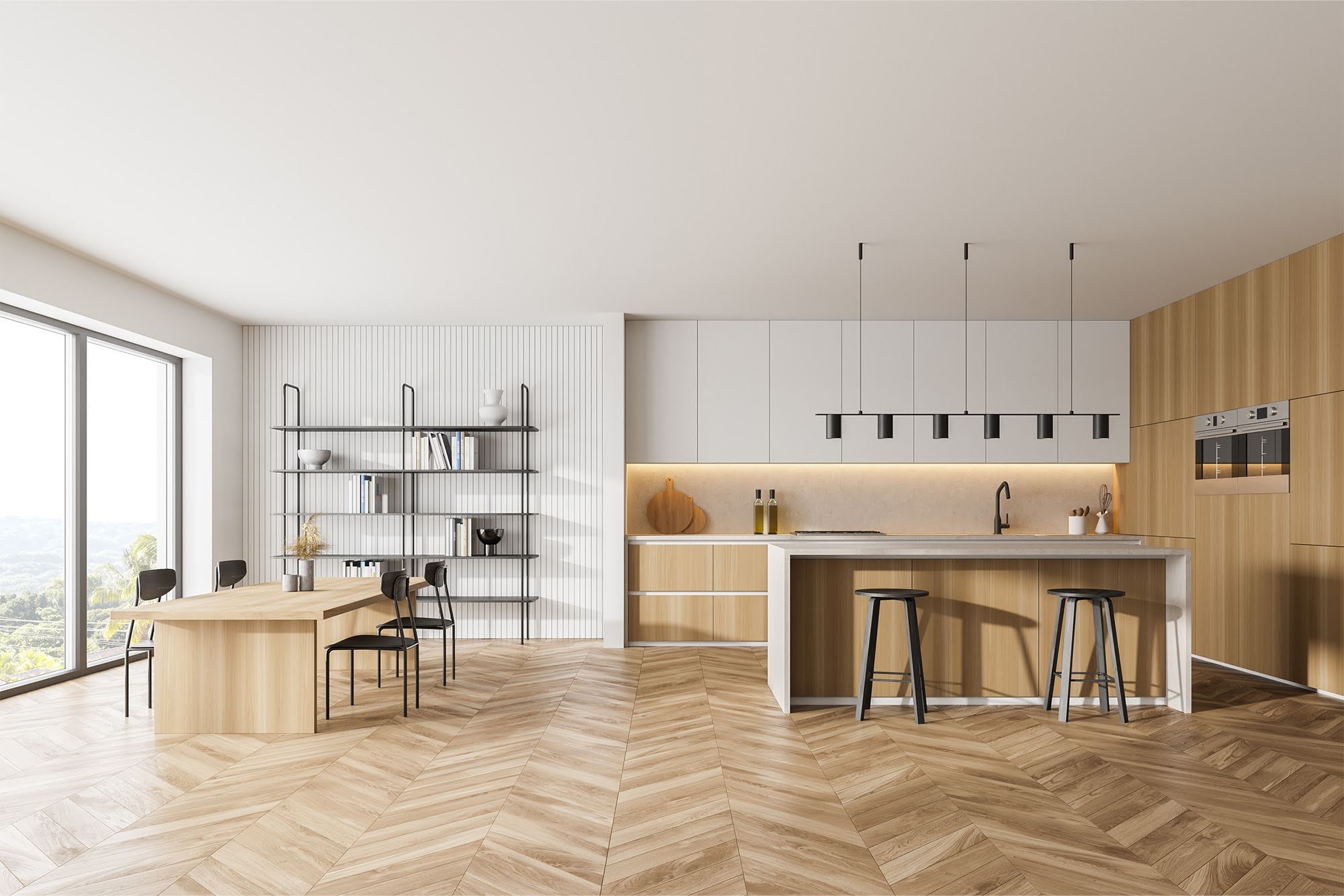
Installing hardwood flooring is one of the most valuable upgrades you can make to your home. At Island Floors & More, homeowners in Myrtle Beach and Litchfield often ask what the installation process involves and how they can prepare for a successful project. Understanding each step helps set realistic expectations and ensures your new hardwood floors deliver the beauty, durability, and long-term value you expect.
Whether you're renovating a primary residence, updating a beach house, or building a new home, knowing what happens before, during, and after installation can make the entire experience smoother.
Why Proper Hardwood Installation Matters
Hardwood flooring is a significant investment, and installation quality directly impacts how well it performs over time.
Professional installation helps ensure:
Long-term durability
Proper moisture management
Stable floor performance
Attractive finished appearance
Maximum return on investment
Coastal South Carolina's humidity makes proper installation especially important because wood naturally expands and contracts as moisture levels change. Information from existing Island Floors & More resources emphasizes the importance of moisture testing, subfloor preparation, acclimation, and installation planning for coastal homes.
Step 1: Choosing the Right Hardwood Flooring
The installation process begins well before the first plank is laid.
Homeowners should consider:
Hardwood species
Color and finish preferences
Plank width
Solid versus engineered construction
Lifestyle and maintenance needs
Popular options for coastal homes include:
Oak for durability and versatility
Hickory for strength and character
Maple for a clean, contemporary look
Engineered hardwood is often selected for coastal homes because its layered construction offers added stability in humid conditions. Existing Island Floors & More guidance notes that engineered hardwood performs particularly well in Myrtle Beach and Georgetown-area coastal environments.
You can browse hardwood flooring options to explore styles and species that fit your home's design.
Step 2: In-Home Evaluation and Measurements
Before installation begins, flooring professionals typically evaluate:
Room dimensions
Existing flooring
Subfloor condition
Moisture levels
Installation requirements
This assessment helps identify potential challenges before the project starts.
For coastal homes in Myrtle Beach and Litchfield, moisture evaluation is particularly important because humidity and environmental conditions can influence hardwood performance. Moisture testing is identified as a key part of successful hardwood installation planning.
Step 3: Hardwood Acclimation
One of the most important steps in hardwood installation happens before installation day.
Hardwood flooring must acclimate to the home's environment so the wood can adjust to local temperature and humidity conditions.
Proper acclimation helps reduce the risk of:
Gaps between boards
Excessive expansion
Cupping
Buckling
Skipping or rushing this step can create problems later, particularly in coastal homes where humidity levels can fluctuate throughout the year.
Step 4: Preparing the Subfloor
The condition of the subfloor plays a major role in installation success.
Before installation, professionals verify that the subfloor is:
Clean
Structurally sound
Properly level
Dry and moisture tested
Existing Island Floors & More content specifically notes that subfloors should be clean, structurally sound, level, and moisture tested before hardwood installation begins.
Common subfloor types include:
Plywood Subfloors
Frequently found in raised coastal homes, plywood subfloors provide a solid base for many hardwood installation methods.
Concrete Slabs
Often used in newer construction, concrete slabs require additional moisture considerations before hardwood installation.
Step 5: Installation Day
Once preparation is complete, installation begins.
Depending on the specific hardwood product and subfloor, installers may use different installation methods.
During installation, professionals focus on:
Proper layout planning
Consistent plank placement
Expansion spacing
Accurate cuts around walls and fixtures
Seamless transitions between rooms
Attention to these details helps create an attractive finished appearance while supporting long-term durability.
Step 6: Trim, Transitions, and Finishing Touches
After the flooring is installed, installers complete the project with finishing details.
These may include:
Baseboard adjustments
Quarter-round installation
Transition strips
Thresholds
Final inspections
These finishing touches help create a polished look and ensure smooth transitions between rooms and flooring surfaces.
What Homeowners Should Do Before Installation
Preparing your home can help the installation process go smoothly.
Helpful steps include:
Removing furniture and personal belongings
Clearing closets if applicable
Protecting fragile items
Planning accommodations for pets
Discussing expectations with your installer
Being prepared allows installers to work more efficiently and helps minimize disruptions.
Caring for Hardwood Floors After Installation
Once installation is complete, proper maintenance helps protect your investment.
Recommended practices include:
Sweeping regularly to remove sand and debris
Cleaning spills promptly
Using furniture protection pads
Maintaining consistent indoor humidity levels
Scheduling periodic professional maintenance
Existing Island Floors & More resources emphasize that moisture control, regular cleaning, and humidity management are essential for hardwood performance in coastal environments.
Understanding Long-Term Value
One reason homeowners choose hardwood flooring is its ability to deliver lasting value.
Benefits include:
Timeless appearance
Potential refinishing opportunities
Strong resale appeal
Long service life
Adaptability to changing design styles
Unlike many flooring materials, hardwood can often be restored through professional maintenance and refinishing when signs of wear begin to appear. Existing Island Floors & More content notes that solid hardwood can often be refinished multiple times, making it a valuable long-term investment.
A Smooth Installation Starts With Expert Guidance
Hardwood flooring installation involves much more than simply placing planks on the floor. Product selection, moisture management, subfloor preparation, acclimation, and professional craftsmanship all contribute to long-term performance.
If you're planning a hardwood flooring project in Myrtle Beach or Litchfield, visit our Pawleys Island showroom to explore available options in person. You can also request a free flooring estimate, learn more about our professional flooring installation services, or take advantage of our shop-at-home flooring service. The team at Island Floors & More can help you navigate every step of the installation process and choose hardwood flooring designed to perform beautifully in coastal South Carolina homes.


